See what’s possible.
|
|
|
The Catalyst Brief
October 2026
|
|
|
As 2026 draws to a close, imaging providers are balancing emerging clinical opportunities with important equipment and operational decisions. This month, we explore what's ahead for Alzheimer's imaging, equipment planning, cardiac SPECT, and the people making a difference across our industry.
See What's Possible. |
The Next Chapter in Alzheimer's Care: Is Your Imaging Infrastructure Ready?
|
PET imaging continues to play an important role in Alzheimer's evaluation, including identifying amyloid pathology and, in appropriate clinical settings, assessing tau pathology. As blood-based biomarkers become more integrated into clinical pathways, coordination between diagnostic tools, referring physicians, and imaging providers is increasingly important.
For organizations relying on external PET providers or mobile imaging services, scheduling constraints, travel distances, and limited capacity can create barriers to patient access. |
|
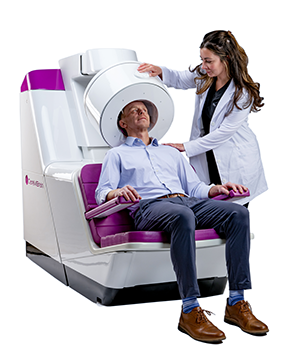 |
The future of Alzheimer's care depends not only on scientific breakthroughs, but on making appropriate diagnostic imaging accessible.
The question isn't simply what's next in Alzheimer's care. It's whether we're prepared to support it.
|
| |
Planning an Imaging Equipment Investment? Don't Overlook Section 179.
Considering an equipment upgrade or replacement before year-end? Section 179 may allow eligible businesses to deduct qualifying new or used equipment costs in the year the equipment is placed into service.
For 2026, the maximum deduction is $2.56 million, with a phaseout beginning when qualifying equipment purchases exceed $4.09 million, subject to applicable limitations.
With equipment availability, delivery, and installation timelines to consider, now is the time to evaluate your options.
|
$2.56 million
maximum deduction |
$4.09 million
phaseout threshold |
Tax benefits depend on eligibility and applicable law. Consult your tax advisor. This content is informational and not tax advice.
|
| |
Breathing New Life into Aging Nuclear Medicine Equipment
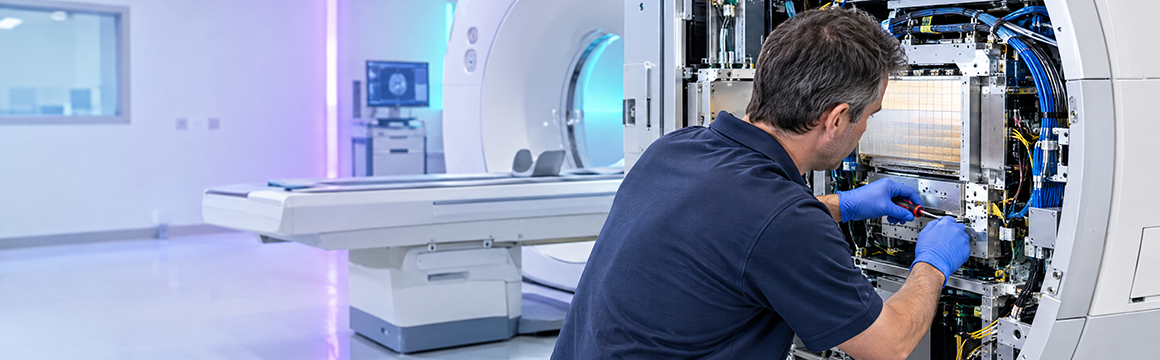
For nuclear medicine departments, receiving an end-of-life (EOL) or end-of-service notice doesn't necessarily mean it's time to replace your camera.
From continued service support and Windows 11 modernization to new and refurbished equipment, Catalyst MedTech helps providers evaluate whether to repair, upgrade, or replace—based on clinical needs, reliability, and long-term value.
REPAIR
If your camera continues to meet clinical needs, experienced service support, preventive maintenance, and replacement parts may help extend its operational life. |
UPGRADE
Aging workstations, software, or operating systems don't always require a complete equipment replacement. Modernization options, including Windows 11 upgrades for eligible systems, may provide a more cost-effective path forward. |
REPLACE
When reliability, service costs, or clinical limitations outweigh the benefits of continued use, a new or professionally refurbished system may offer better long-term value. |
The Catalyst Advantage
As both an OEM and an independent multi-vendor service provider, Catalyst MedTech offers a broader perspective on equipment lifecycle decisions. Understand your options and make the decision that's right for your department.
|
| |
Behind Every Image, There's a Person Who Makes a Difference
October gives us two important opportunities to recognize the people who make diagnostic imaging possible.
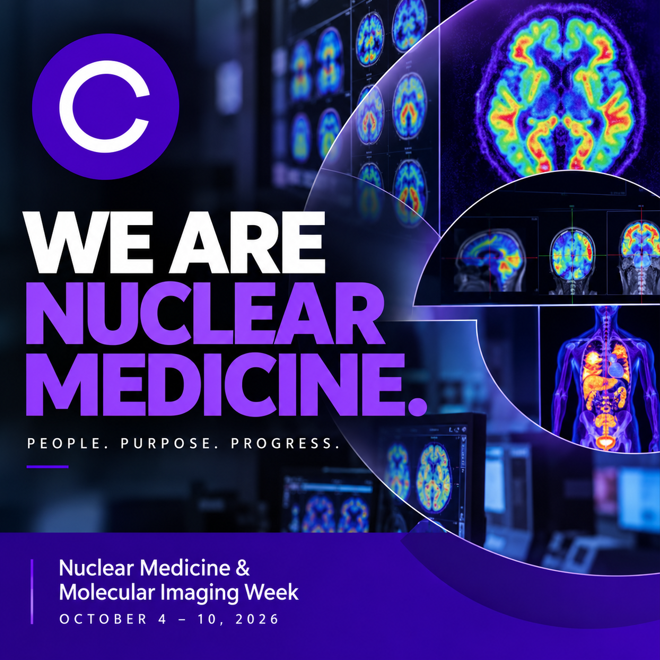
From October 4–10, we celebrated Nuclear Medicine & Molecular Imaging Week, recognizing the technologists and professionals whose expertise supports the diagnosis, treatment, and monitoring of disease.
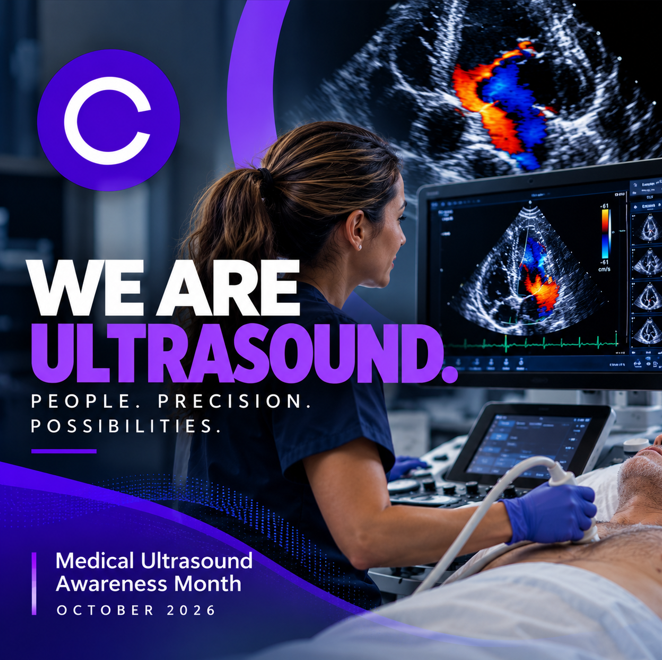
October is also Medical Ultrasound Awareness Month, honoring the sonographers and imaging professionals who use ultrasound technology to provide critical diagnostic insights across a wide range of clinical specialties.
We're celebrating the expertise, dedication, and compassion behind every image by sharing stories from our own Catalyst team.
|
| |
Expanding the Role of Cardiac SPECT in Amyloidosis Detection
Cardiac SPECT can play an important role in identifying transthyretin amyloid cardiomyopathy (ATTR-CM), an often-overlooked cause of heart failure.
|
Why it matters: As awareness of cardiac amyloidosis grows, nuclear cardiology departments have an opportunity to expand the clinical value of their existing SPECT systems and support more timely diagnosis. |
|
What's new at Catalyst: Cardiac amyloidosis imaging protocols are now available for Digirad® Cardius 3 XPO and X-ACT+ systems, including options for new equipment and field upgrades to eligible existing systems. |
|
| |
HealthTrust Members: A Smarter Path to Nuclear Imaging
Eligible HealthTrust and AdvantageTrust members can take advantage of an exclusive Digirad equipment group-buy opportunity through December 2026.
|
$7,500
Off eligible equipment
+3 months
Additional warranty coverage |
|
| |
What's Your Biggest Nuclear Medicine Priority for 2027?
Equipment upgrades? Managing service costs? Expanding PET capabilities? Improving workflow?
Tell us what's at the top of your list and see what your peers are prioritizing.
|
| |
|
|
|
|
Catalyst MedTech
2403 Sidney Street
Pittsburgh, PA, 15203 |
|
Follow Catalyst MedTech on:
 |
|
| Unsubscribe | | |
© 2026 Catalyst MedTech. All rights reserved. |
|
|